


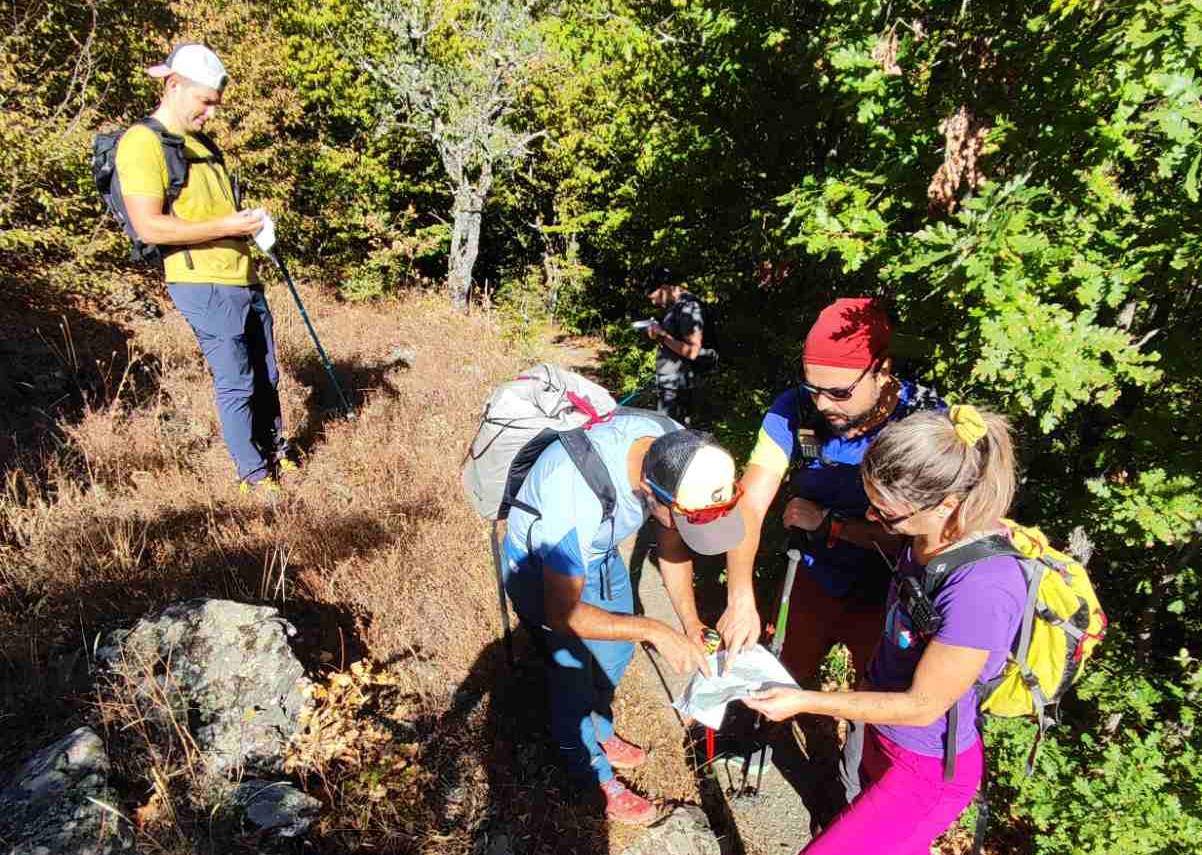
At the meeting of the Executive and Supervisory Board of MAIVP, held on 30.12.2025, a program for continuous professional development of MAIVP members for 2026 was adopted. The training will be conducted through seminars with physical attendance, as well as online sessions.
I. Mandatory seminars for relicensing with physical attendance
Four seminars with physical attendance will be held during 2026 to renew the validity of the identification card. To renew the validity of the title and the right to use the UIMLA badge, each MAIVP member is obliged to attend a relicensing seminar at least once a year, and in a period of two years, at least one summer and one winter seminar should be attended.
The following is an overview of the dates for the seminars:
- First winter seminar - April 4 and 5, 2026
The venue will be determined later
- First summer seminar - April 25 and 26, 2026
The venue will be determined later
- Second summer seminar - October 24 and 25, 2026
The venue will be determined later
- Second winter seminar - mid-December 2026 (weather permitting).
The venue will be determined later
The organization and implementation of the seminars is with the volunteer engagement of the instructors and members of the Board of Directors and Supervisory Board of MAIVP.
II. Online sessions (optional)
As in previous years, online sessions will be held this year as part of the program for continuous professional development. In the first six months, the emphasis will be on soft skills topics.
An overview and schedule of topics, as well as the methodology for implementing the sessions, will follow.
January 2026
1. Decision-making during a mountain tour with clients
Session objective:
- Understanding the decision-making process under pressure.
- Recognizing cognitive biases (heuristics, overconfidence, confirmation bias).
- Differentiating between a “good decision” and a “good outcome”.
Methodology: Short presentation and exercises with analysis of realistic guiding scenarios (“what would you decide in a certain situation – and why”).
February 2026
2. From information to understanding: Effective client briefing
Session objective:
- Structure the briefing in a way that clients can understand.
- Introducing potential risks without creating fear or false security in clients.
- Adapt the briefing according to the group structure, cultural context and previous experience.
Methodology: Short presentation with exercises - demonstration of short briefings for a given tour and analysis of the briefing and receiving feedback from colleagues.
March 2026
3. Situational awareness and risk perception
Session objective:
- Improving "reading the terrain, weather and people".
- Understanding early warning signals.
- Maintaining awareness in long-term and monotonous situations.
Methodology: Short presentation supplemented by analysis and discussion based on real scenarios and recognition/non-recognition of early warning signs.
April 2026
4. Managing unexpected situations in non-emergency contexts (situations in which no serious risk or emergency has occurred)
Session Objective:
- Managing situations in the “gray zone” (fatigue, decline in morale or motivation, micro-incidents).
- Making timely corrective decisions.
- Preventing escalation into a real emergency.
Methodology: Short presentation with analysis of real scenarios from the guides’ personal experiences with an emphasis on recognizing/mapping decision points.
May 2026
5. Leadership, authority and group dynamics in the field
Session Objective:
- Building legitimate authority without authoritarianism.
- Working with difficult clients and strong individuals.
- maintaining group cohesion in stressful conditions.
Methodology: Short presentation and interactive part with analysis of situations from the personal experience of the guides and analysis of the interactions guide-client.
June 2026
6. Stress, responsibility and the role of the human factor in guiding clients in the mountains
Session objective:
- Recognizing one's own stress and mental fatigue.
- Understanding accumulated responsibility and "silent pressure".
- Developing personal strategies for sustainable professional practice.
Methodology: Short presentation and interactive part with emphasis on controlled reflection and defining personal points of action.
Additional information can be obtained at the official email addresses of MAIVP: